


The entertainment industry is moving faster than at any point in its history. Driven by technological change, shifting audience expectations, and the collapse of traditional media boundaries, the way people consume, create, and participate in entertainment has been fundamentally transformed. The defining characteristic of 2026’s entertainment landscape is convergence — between digital and physical, between creator and audience, between play and community.
Streaming Platforms Dominate Attention
On-demand video has quietly changed the way people relate to content. The shift did not happen overnight, but the effect is obvious now. When viewers can watch almost anything, whenever they feel like it, attention behaves differently. Episodes feel shorter. Patience feels thinner. The bar for engagement keeps creeping upward.
Platforms adapted fast. Instead of long, meandering arcs, we see tighter episode structures, sharper pacing, and endings built to pull you straight into the next installment. Cliffhangers are not accidental anymore. They are engineered. Serialized storytelling now rewards sustained viewing, and binge culture is less a trend than a design principle baked into production itself.
The competition for attention has grown more intense as a result. Media coverage, including reporting from The Guardian’s media desk, has repeatedly highlighted how platforms are fighting harder for screen time. Budgets are rising. Production quality is escalating. Original content strategies feel more aggressive than they did a few years ago.
Anyway, what is striking is not just the volume of content, but the pressure behind it. When audiences can leave with a tap, every second matters. That reality has pushed platforms to refine structure, pacing, and spectacle in ways that were not necessary in the old broadcast model. And the race does not appear to be slowing down.
Interactive and Immersive Experiences
Audiences are increasingly unwilling to remain passive. Virtual reality, augmented reality, and mixed-reality formats are repositioning entertainment as something you participate in rather than merely watch. VR headsets have reached a price point that makes mainstream adoption plausible, and content libraries are expanding to match.
AR layers are being built into live sports broadcasts, museum visits, and live music events, adding information and interactivity without replacing the physical experience. The most ambitious mixed-reality projects dissolve the distinction between the virtual and the real entirely — creating environments where physical movement triggers digital responses in real time.
Gaming as a Social Space
Gaming has long since outgrown its image as a solitary activity. Modern titles function as social platforms: players meet, communicate, organise events, and build long-term communities within game worlds. Virtual concerts hosted inside games like Fortnite or Roblox have drawn tens of millions of attendees.
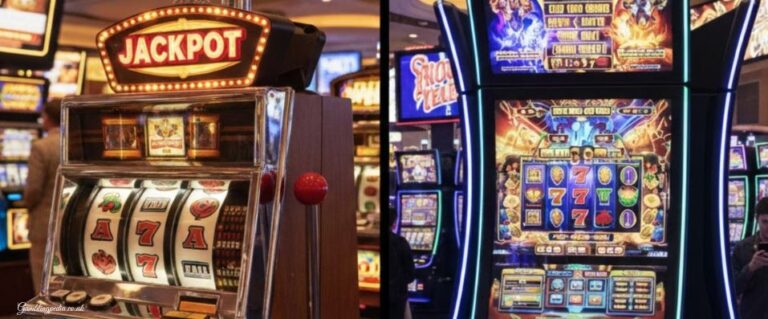
The social dimension extends well beyond traditional titles — online entertainment platforms have developed their own community layers, with forums, streamer content, and editorial reviews shaping the decision-making ecosystem around player choices. Discussions around a UK mobile casino with no deposit bonus naturally become part of that environment, as players look for transparent breakdowns before committing their time and attention.

The Creator Economy and Micro-Influencers
Independent creators now compete directly with major media studios for cultural attention. Short-form video platforms have accelerated this shift, rewarding creators who can build loyal niche audiences faster than any traditional distribution deal could achieve. Micro-influencers with smaller but highly engaged followings have proven more effective than celebrity endorsements for reaching specific communities.
The economics have shifted accordingly: brand partnerships, subscription revenue, merchandise, and live events allow creators to sustain careers outside the legacy media infrastructure that once acted as a gatekeeper. The result is a fragmented but enormously dynamic creative landscape.
AI in Content Creation and Personalisation
Artificial intelligence is embedded at every level of the entertainment pipeline. AI tools assist writers with plotting and dialogue, help composers generate soundscapes, and enable video editors to automate laborious post-production tasks. Dubbing and localisation can now be completed in a fraction of the time using voice cloning and lip-sync technology.
On the audience side, recommendation algorithms have grown sophisticated enough to surface content that feels personally curated, reducing discovery friction and increasing consumption. The challenge for creators is remaining distinctive as AI can replicate surface-level style but struggles with genuine originality.
Hybrid Events and Phygital Entertainment
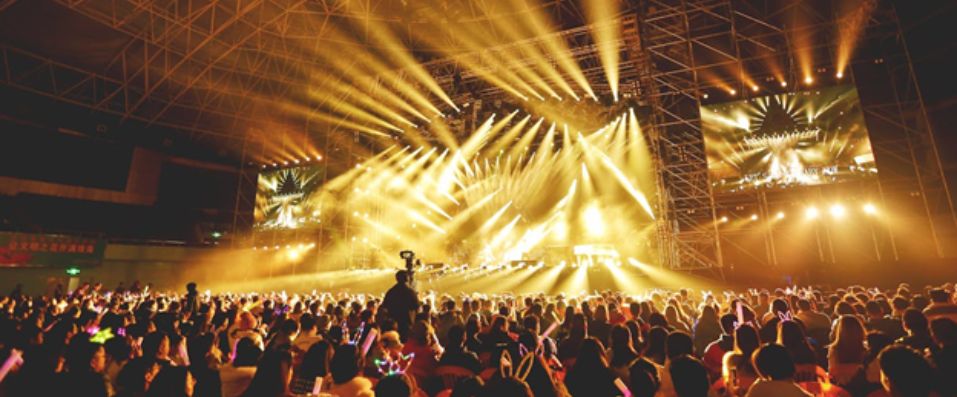
The line between physical and digital live entertainment is getting thinner every year. Major concerts, sports events, even festivals now build in a second layer from the start. Live streams, virtual watch parties, members only digital extras. It is no longer unusual. It is expected.
This hybrid approach changes the math. An event is no longer limited by the number of seats in a venue. The in person crowd still carries the atmosphere, but a much larger audience can tune in from anywhere. That shift opens up new revenue paths while preserving the cultural value of actually being there.
What stands out is how early some artists and promoters make that decision. When digital access is designed alongside the physical experience, rather than bolted on later, the results tend to be stronger. Engagement feels intentional. The remote audience does not feel secondary. And over time, that planning shows up in performance metrics, ticket sales, and brand loyalty alike.
Key Entertainment Trends at a Glance
- Streaming — on-demand and live formats compete for shrinking attention spans
- Immersive tech — VR, AR, and mixed-reality turn viewers into participants
- Social gaming — game worlds double as community and event platforms
- Creator economy — independent creators challenge traditional media reach
- AI production — automated tools reshape how content is made and personalised
- Phygital events — physical and digital experiences merge into unified formats
Where Entertainment Goes Next
The trends shaping entertainment in 2026 share a common direction: toward greater personalisation, deeper participation, and the erosion of the boundaries between formats. Audiences want to be inside the content, not outside it. The platforms, creators, and technologies that deliver on that expectation are the ones defining what entertainment means right now.
| Trend | Key Driver | Audience Impact |
| Streaming dominance | On-demand infrastructure | Shorter attention, binge behaviour |
| Immersive experiences | VR/AR technology | Passive to active participation |
| Social gaming | Platform-community convergence | Deeper engagement, virtual events |
| Creator economy | Short-form platforms | Niche communities, direct monetisation |
| AI personalisation | Recommendation algorithms | Hyper-relevant content discovery |
| Phygital events | Hybrid production design | Expanded audience, new revenue models |