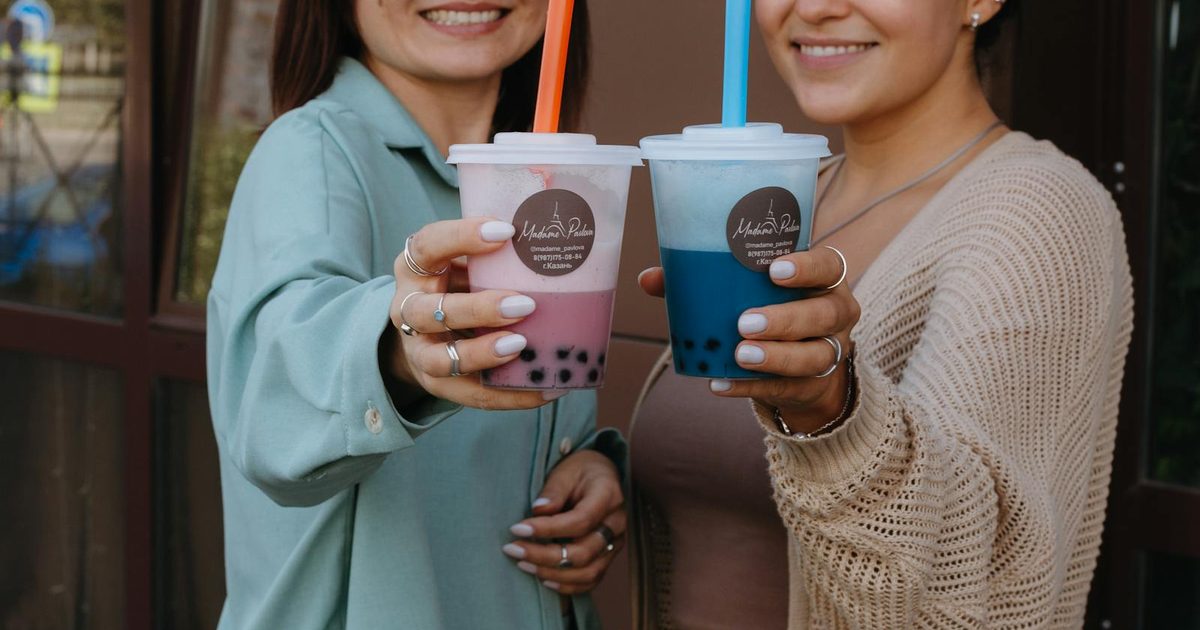
National Boba Day, also widely recognized as National Bubble Tea Day, is an annual celebration observed on April 30. This day honors the globally beloved beverage of bubble tea—a sweet, chewy, and refreshing drink that originated in Taiwan during the 1980s. The holiday was first established in the United States in 2018 by Kung Fu Tea, a major bubble tea chain founded in Queens, New York, and later formalized by Taiwan in 2020. As the drink has evolved from a local Taiwanese novelty to a global cultural phenomenon, National Boba Day serves as both a celebration of flavor and a recognition of Taiwanese culinary heritage.
When Is National Boba Day? The Fixed Date and Its Origins
National Boba Day is celebrated every year on April 30. The date was chosen to coincide with the founding anniversary of Kung Fu Tea, which opened its first store in Queens, New York, on April 30, 2010. The company launched the holiday in 2018 to promote bubble tea culture across the United States, offering discounts and limited-edition drinks. For example, in 2026, the holiday falls on Thursday, April 30, with many chains planning special promotions.
In 2020, Taiwan officially declared April 30 as National Bubble Tea Day, cementing the date's significance in the drink's homeland. This dual recognition—from both a private company and a national government—underscores the holiday's legitimacy and global appeal.
History of Bubble Tea: The Invention Dispute (1986 vs. 1988)
The exact origin of bubble tea is contested, with two main tea houses in Taiwan claiming credit. The earliest documented creation comes from Hanlin Tea Room in Tainan, where owner Tu Tsong reportedly invented pearl tea in 1986. Inspired by white tapioca pearls he discovered at the Ya Mu Liao market, Tu Tsong added them to iced tea, creating the first version of the drink.
Two years later, in 1988, at Chun Shui Tang tearoom in Taichung, product manager Lin Hsiu Hui accidentally created a variation during a business meeting. She poured her tapioca pudding into her iced tea, and the combination was so well-received that it was added to the menu immediately. While both stories are widely cited, the Chun Shui Tang version is more commonly referenced in popular culture. Regardless of the specific origin, bubble tea's roots are firmly planted in 1980s Taiwan, where tea shops began experimenting with iced tea and chewy toppings such as tapioca pearls, jelly cubes, and pudding.
Cultural Significance: From Taiwan Slang to Asian American Identity
Bubble tea is more than just a drink; it carries deep cultural weight. The term "boba" itself originates from Taiwanese slang, where it colloquially means "large breasts," a playful reference to the tapioca pearls' shape. The drink's journey from Taiwan to the United States began in the 1990s, primarily through Asian diaspora communities in California. Over the decades, it has evolved into a cultural symbol for Asian American identity, representing a fusion of tradition and modernity.
National Boba Day amplifies this cultural significance by encouraging people to explore the drink's Taiwanese roots. In Taiwan, boba tea is a staple of night markets and street food culture, often served in clear plastic cups with oversized straws. The holiday also highlights the drink's role in bridging cultures, as it is now enjoyed by people of all backgrounds worldwide.
Regional Traditions and Modern Observance
While National Boba Day is celebrated globally, traditions vary by region. In Taiwan, the day is marked by special events at tea shops, often featuring limited-edition flavors or discounts. For instance, Sharetea, another major chain, participates in the holiday by offering promotions. In the United States, chains like Kung Fu Tea lead the celebration with deals on classic milk tea, fruit teas, and innovative toppings like cheese foam or popping boba.
In 2025, trends have expanded beyond beverages to include boba-inspired desserts. In South Korea, for example, boba ice cream, boba soufflés, and boba pancakes have become popular. This cross-category innovation reflects the drink's versatility and its ability to inspire culinary creativity. Modern observance also includes social media campaigns, where fans share photos of their boba drinks using hashtags like #NationalBobaDay or #BubbleTeaDay.
Key Players: Kung Fu Tea, Chun Shui Tang, and Hanlin Tea Room
Three entities are central to the story of National Boba Day:
- Kung Fu Tea: Founded on April 30, 2010, in Queens, NY, this chain is the driving force behind the U.S. holiday. It has grown to over 200 locations nationwide and uses the day to promote boba culture.
- Chun Shui Tang: Based in Taichung, Taiwan, this tearoom is credited with the 1988 accidental invention by Lin Hsiu Hui. It remains a popular destination for boba enthusiasts visiting Taiwan.
- Hanlin Tea Room: Located in Tainan, Taiwan, this establishment claims the 1986 invention by Tu Tsong. It is known for its white tapioca pearls and traditional preparation methods.
These organizations, along with others like Sharetea, collectively shape the holiday's observance and the drink's global reputation.
Boba vs. Bubble Tea: What’s the Difference?
The terms "boba" and "bubble tea" are often used interchangeably, but they have subtle distinctions. "Bubble tea" originally referred to the frothy foam created when the drink is shaken, resembling bubbles. "Boba" specifically refers to the tapioca pearls, but over time, the term has come to encompass the entire drink. In Taiwan, the drink is commonly called "boba tea" or "pearl milk tea." The holiday's name—National Boba Day—reflects the modern, casual terminology favored by younger generations and global consumers.
How to Celebrate National Boba Day
Celebrating National Boba Day is straightforward: visit a local bubble tea shop and enjoy a drink. Many chains offer special deals, such as buy-one-get-one-free offers, discounted toppings, or exclusive flavors. For example, Kung Fu Tea typically releases a limited-edition drink for the day, such as a lychee or matcha variant. Enthusiasts can also try making boba at home using tapioca pearls and tea, experimenting with flavors like taro, honeydew, or brown sugar.
To deepen the experience, consider learning about the drink's history or visiting a Taiwanese tea house. For those interested in broader food holidays, explore our calendar hub for other culinary celebrations. Additionally, if you're looking for reviews of boba shops or related products, check our reviews section for honest assessments.
Frequently Asked Questions About National Boba Day
When is National Boba Tea Day?
National Boba Tea Day is celebrated annually on April 30. In 2026, it will fall on a Thursday.
Who invented bubble tea?
The invention is disputed. Chun Shui Tang in Taichung claims creation in 1988 by Lin Hsiu Hui, while Hanlin Tea Room in Tainan claims creation in 1986 by Tu Tsong. Both originated in Taiwan.
Where did boba originate?
Boba originated in Taiwan during the 1980s. The drink spread across Asia and reached the United States in the 1990s via Asian diaspora communities.
Why is National Boba Day on April 30?
The date matches the founding anniversary of Kung Fu Tea, which opened on April 30, 2010, in Queens, NY. The holiday was first celebrated in 2018.
Is National Boba Day official in Taiwan?
Yes, Taiwan officially declared April 30 as National Bubble Tea Day in 2020, recognizing the drink's cultural importance.
What is boba made of?
Boba pearls are made from tapioca starch, derived from cassava root. They are typically boiled and sweetened, giving them a chewy texture.
What is the difference between boba and bubble tea?
The terms are largely interchangeable. "Bubble tea" originally referred to the frothy foam, while "boba" specifically refers to the tapioca pearls. Today, both terms describe the same drink.
How can I celebrate National Boba Day?
Visit a bubble tea shop for deals, try a new flavor or topping, or make boba at home. Many chains offer limited-edition drinks and discounts on April 30.
Are there any risks associated with boba?
Boba pearls are generally safe, but they can pose a choking hazard for young children due to their size and texture. Always supervise children when consuming boba. For more general safety tips, visit our responsible gambling page, which also covers mindful consumption.
Where can I find more information about food holidays?
Explore our home page for a comprehensive list of food and beverage holidays, including National Boba Day.