The Hindu calendar, known as the Panchang, is one of the most sophisticated lunisolar systems in human history. For 2025, the calendar enters Vikram Samvat 2082, which began on March 30, 2025, marking the Hindu New Year. Unlike the purely solar Gregorian calendar, the Hindu calendar intricately syncs lunar cycles (354 days) with the solar year (365.25 days) through an intercalary month called Adhik Maas (occurring every ~2.7 years). This article provides an authoritative, encyclopedia-quality breakdown of the Hindu calendar 2025—its dates, history, religious significance, regional traditions, and modern observance—based on the Panchang system and verified sources.
Core Structure: The Lunisolar Mechanics of Vikram Samvat 2082
The Hindu calendar for 2025 is anchored by Vikram Samvat 2082, which started on March 30, 2025 (Chaitra Shukla Pratipada). This epoch dates back to 57 BCE, named after King Vikramaditya of Ujjain, who defeated the Sakas. The calendar runs 56-57 years ahead of the Gregorian system. Its lunisolar design prevents seasonal drift—a key advantage over the purely lunar Hijri calendar—by adding Adhik Maas every 2.5 to 3 years. The Panchang has five limbs (pancha + anga): tithi (lunar day), vara (weekday), nakshatra (lunar mansion), yoga (auspicious period), and karana (half-tithi) [3][6].
In 2025, the months follow a fixed sequence: Chaitra (March-April), Vaishakha (April-May), Jyeshtha (May-June), Ashadha (June-July), Shravana (July-August), Bhadrapada (August-September), Ashwina (September-October), Kartika (October-November), Margashirsha (November-December), Pausha (December-January), Magha (January-February), and Phalguna (February-March). Each month splits into Shukla Paksha (waxing moon, 15 tithis) and Krishna Paksha (waning moon, 15 tithis) [5]. For 2025, no Adhik Maas is confirmed, meaning the lunar year remains at 354 days until the next intercalation in 2026 or 2027.
Historical Origins: From Vedic Astronomy to Vikramaditya’s Epoch
The Hindu calendar traces its roots to Vedic astronomy, which tracked 12+ celestial cycles including nakshatras (27 lunar mansions) and rahukala (inauspicious periods). The Panchang evolved as a farmer’s almanac and ritual guide, akin to our calendar hub for modern holidays. The Vikram Samvat system was established around 57 BCE after King Vikramaditya’s victory over the Sakas in Ujjain. This epoch is widely used in North and West India. The lunisolar design was a deliberate choice: by syncing lunar months to solar seasons via Adhik Maas, the calendar ensures that festivals like Diwali (expected October/November 2025) and Holi (March 2025) remain aligned with agricultural and astronomical cycles [3][5].
Mythologically, Chaitra Pratipada (March 30, 2025) is considered the day Lord Brahma created the universe, making it a cosmic new year. The pre-Gregorian origins (before 1582) mean the Hindu system prioritises cosmic alignment over fixed solar dates—a timeless wisdom that still governs Hindu life today [1][3].
Religious and Cultural Significance: Festivals and Rituals in 2025
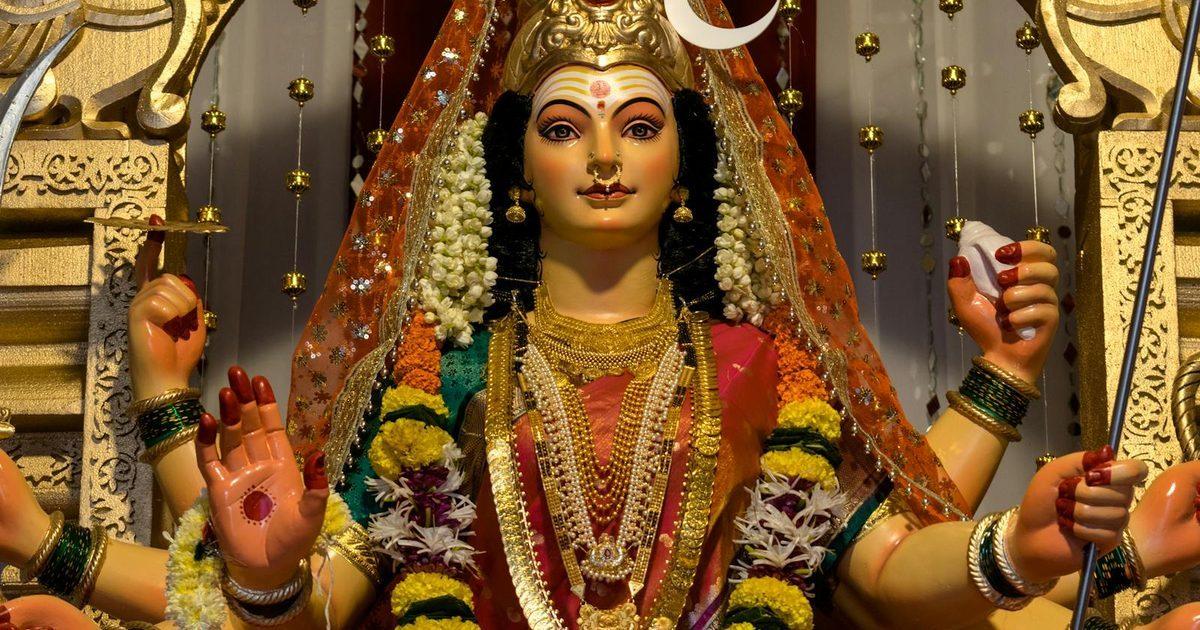
Vikram Samvat 2082 is rich with religious observances. The year began with Chaitra Navratri (March 30 – April 6, 2025), a nine-night festival honouring Goddess Durga. It culminated in Ram Navami on April 6, 2025, celebrating Lord Rama’s birth. Hanuman Jayanti followed on April 12, 2025, marking the birth of the monkey god. Another major festival is Akshaya Tritiya on April 30, 2025, considered an eternally auspicious day for new beginnings, investments, and marriages [2].
In May 2025, key dates include Ganga Saptami (May 3), honouring the Ganges’ descent; Sita Navami (May 5), celebrating Sita’s birth; Narasimha Jayanti (May 11), Vishnu’s half-man-half-lion avatar; and Shani Jayanti (May 27), the birth of the god Saturn. July 2025 features Guru Purnima (July 10), a day to honour spiritual teachers, and Nag Panchami (July 29), worshipping serpent deities [2]. These festivals are not merely religious—they mark seasonal transitions, agricultural cycles, and community bonding.
Regional Traditions: Diverse New Year Celebrations Across India
The Hindu calendar 2025 manifests uniquely across regions, reflecting India’s cultural diversity. While Vikram Samvat 2082 started on March 30, 2025, different communities celebrate the New Year on distinct dates:
- Ugadi (Andhra Pradesh, Telangana, Karnataka): March 30, 2025. Families prepare a special dish of neem, jaggery, tamarind, and mango, symbolising life’s mixed experiences.
- Gudi Padwa (Maharashtra): March 30, 2025. People hoist a gudi (a decorated pole) to mark victory and prosperity.
- Cheti Chand (Sindhi community): March 31, 2025, celebrating the birth of Jhulelal, the Sindhi patron saint.
- Tamil New Year (Puthandu) and Vishu (Kerala): April 14, 2025, aligned with the solar ingress into Mesha (Aries).
- Poila Boishakh (West Bengal, Assam, Tripura): April 15, 2025, marking the Bengali and Assamese New Year with colourful processions and new business ledgers.
These regional variations stem from different calendar systems within the Hindu tradition—some solar (Tamil, Malayalam), some lunisolar (Vikram Samvat). Yet all share the core principle of cosmic renewal and seasonal alignment [1][2].
Modern Observance: Panchang in Daily Life and Digital Tools
In 2025, the Hindu calendar remains deeply embedded in modern life. The Panchang is used daily by millions to determine muhurta (auspicious timings) for weddings, housewarming ceremonies, business launches, and travel. Digital platforms now offer real-time Panchang data, including tithi, nakshatra, and rahukala (the inauspicious period ruled by Rahu). For example, on April 30, 2025 (Akshaya Tritiya), gold purchases and new ventures are considered highly auspicious, leading to record sales in jewellery and real estate [2][6].
Modern observances also include community gatherings at temples, online streaming of rituals, and eco-friendly celebrations. The Swaminarayan Mandir explains that the calendar’s precision allows devotees to plan vrata (fasts) and utsava (festivals) years in advance [5]. For those seeking to align their lives with cosmic rhythms, the Hindu calendar 2025 offers a structured path—from the spring equinox (Chaitra) to the winter solstice (Margashirsha).
Comparison with Gregorian Calendar: Why the Hindu System Endures
The Hindu calendar differs fundamentally from the Gregorian system. The Gregorian calendar is purely solar (365.25 days, with leap years every four years), while the Hindu calendar is lunisolar (354 days per lunar year, synced via Adhik Maas every ~2.7 years). This means Hindu festivals shift relative to Gregorian dates—for example, Diwali 2024 fell in November, but Diwali 2025 is expected in October/November due to lunar drift [3][5]. The Hindu system also tracks nakshatras (lunar mansions) and yogas, which have no Gregorian equivalent, making it indispensable for astrological and ritual purposes.
Another key difference: the Hindu month ends on the full moon (North India) or new moon (Gujarat), whereas Gregorian months have fixed lengths. The Panchang is not just a calendar—it’s a guide to dharma (righteous living), ensuring that rituals align with natural cycles. For those interested in how other calendar systems compare, see our calendar hub.
2025-2026 Transition: What to Expect in Vikram Samvat 2083
Looking ahead, Vikram Samvat 2083 will begin around March 20, 2026 (Chaitra Pratipada), aligning closely with the spring equinox. The transition from 2082 to 2083 will see the continuation of key festivals, including Maha Shivaratri (February 2026) and Holi (March 2026). The next Adhik Maas is anticipated in 2026 or 2027, which will add an extra month to the lunar year to realign with the solar cycle [3]. For now, 2025 offers a stable lunisolar year with no intercalation, making it ideal for planning long-term rituals and celebrations.
For those engaged in responsible planning—whether for travel, business, or personal milestones—the Hindu calendar 2025 provides a reliable framework. Always consult a local priest or digital Panchang for precise muhurta, as regional variations (e.g., North vs. South India) can shift dates by a day due to moonrise calculations.
Frequently Asked Questions (FAQ)
When is Hindu New Year 2025?
Hindu New Year 2025 is on March 30, 2025, marking the start of Vikram Samvat 2082 (Chaitra Shukla Pratipada) [1][2].
What is Vikram Samvat and why is 2082 significant?
Vikram Samvat is a lunisolar calendar epoch starting in 57 BCE, named after King Vikramaditya of Ujjain. 2082 began on March 30, 2025, and is used widely in North and West India [3][5].
How does the Hindu calendar differ from the Gregorian calendar?
The Hindu calendar is lunisolar (syncing lunar months of 354 days with the solar year via Adhik Maas every ~2.7 years), while the Gregorian calendar is purely solar (365.25 days, with leap years) [3][5].
What is the Panchang and its five limbs?
The Panchang is the Hindu almanac with five limbs: tithi (lunar day), vara (weekday), nakshatra (lunar mansion), yoga (auspicious period), and karana (half-tithi). It’s used for timing rituals and events [3][6].
What are the regional Hindu New Year dates in 2025?
Key regional New Years in 2025 include: Ugadi/Gudi Padwa (March 30, South/Maharashtra), Cheti Chand (March 31, Sindhi), Tamil/Vishu (April 14), and Poila Boishakh (April 15, Bengal/Assam) [1][2].
Why is Adhik Maas added to the Hindu calendar?
Adhik Maas is an intercalary month added every 2.5-3 years to align the lunar year (354 days) with the solar year (365.25 days), preventing seasonal drift [3][5].
What are the major Hindu festivals in 2025?
Major 2025 festivals include: Ram Navami (April 6), Hanuman Jayanti (April 12), Akshaya Tritiya (April 30), Guru Purnima (July 10), and Nag Panchami (July 29) [2].
How do I determine auspicious timings (muhurta) in 2025?
Use a Panchang (digital or from a priest) to check tithi, nakshatra, and rahukala. For example, Akshaya Tritiya (April 30, 2025) is universally auspicious for new beginnings [2][6].
What are the Hindu months in Gregorian terms for 2025?
The 12 months are: Chaitra (Mar-Apr), Vaishakha (Apr-May), Jyeshtha (May-Jun), Ashadha (Jun-Jul), Shravana (Jul-Aug), Bhadrapada (Aug-Sep), Ashwina (Sep-Oct), Kartika (Oct-Nov), Margashirsha (Nov-Dec), Pausha (Dec-Jan), Magha (Jan-Feb), Phalguna (Feb-Mar) [5].
Where can I find a reliable Hindu calendar 2025 PDF?
Check sources like Times of India [1], Dharmik Vibes [2], or temple websites like Swaminarayan Mandir [5] for downloadable Panchang PDFs. Always verify regional variations.