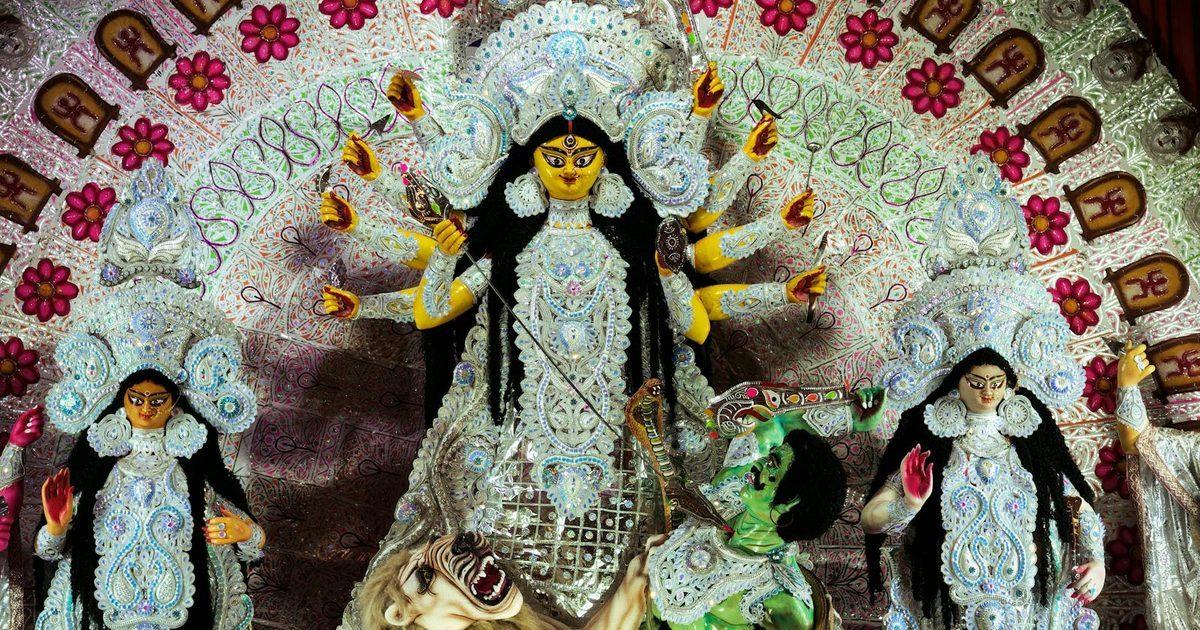
Durga Puja 2025, the most anticipated festival in Eastern India, particularly West Bengal, is set to captivate millions from September 28 to October 2, 2025. This five-day extravaganza, deeply rooted in Hindu mythology and Bengali culture, celebrates the triumph of Goddess Durga over the demon Mahishasura. The 2025 edition promises a rich tapestry of rituals, artistic pandals, and community gatherings, with the preparatory phase beginning earlier on Mahalaya Amavasya, September 21, 2025. Understanding the precise dates, historical significance, and regional nuances is essential for anyone planning to participate or witness this UNESCO-recognised intangible cultural heritage.
Durga Puja 2025: Exact Dates and Lunar Calendar Alignment
The festival follows the Hindu lunar calendar, specifically the Shukla Paksha (waxing moon phase) of the month of Ashvin. In the Bengali calendar year 1432, this corresponds to Ashshin 11–15. The main festivities span five days, but the entire period from Mahalaya to Vijayadashami encompasses twelve days of spiritual and cultural significance.
- Mahalaya Amavasya: Sunday, September 21, 2025 – Marks the beginning of Devi Paksha (the fortnight of the goddess) and the start of the nine-day celebration period.
- Maha Panchami: Saturday, September 27, 2025 – Preparatory day; many community pandals open for public viewing.
- Maha Shashthi: Sunday, September 28, 2025 – Festival officially begins with Kalparambha rites and the unveiling of the Durga idol. This is the first major day of public celebration.
- Maha Saptami: Monday, September 29, 2025 – Key ritual of Nabapatrika (bathing of nine plants symbolising the goddess) is performed.
- Maha Ashtami: Tuesday, September 30, 2025 – The most significant day; includes the Sandhi Puja from 1:21 PM to 2:09 PM, a critical 48-minute period marking the transition from Ashtami to Navami.
- Maha Navami: Wednesday, October 1, 2025 – Day of grand offerings and community feasts.
- Vijayadashami (Dussehra): Thursday, October 2, 2025 – Festival culminates with Durga Visarjan (idol immersion) and Sindoor Khela (vermillion play) among married women.
Notably, Sharad Navratri 2025 runs from September 22 to October 1, with Dussehra on October 2, aligning perfectly with Durga Puja's conclusion. While Navratri is a pan-Indian festival honouring the nine forms of the goddess, Durga Puja is the distinctive Bengali regional observance that overlaps with Navratri's final four days.
Mythological Origins and Historical Evolution
The festival's core narrative comes from the Markandeya Purana, where Goddess Durga, created by the combined energies of Brahma, Vishnu, and Shiva, vanquishes the buffalo-demon Mahishasura after a fierce ten-day battle. This victory symbolises the eternal triumph of good over evil, light over darkness, and the power of feminine divinity (Shakti).
Historically, Durga Puja as a community festival gained prominence in Bengal during the late 16th century. The first grand barowari (public) puja is believed to have been organised in 1790 by Raja Nabakrishna Deb of Shobhabazar, Kolkata, to celebrate British victory over the Nawab of Bengal. Over centuries, it evolved from private aristocratic observances into a massive public spectacle, with neighbourhood committees (puja samitis) competing to create ever-more elaborate pandals.
The 2025 edition continues this tradition, with Kolkata alone expected to host over 4,000 community pujas, each featuring uniquely themed pandals that blend traditional craftsmanship with contemporary social commentary. The festival has been recognised by UNESCO as an Intangible Cultural Heritage of Humanity, acknowledging its role in fostering community bonds, artistic expression, and cultural continuity.
Core Rituals and Their Spiritual Significance
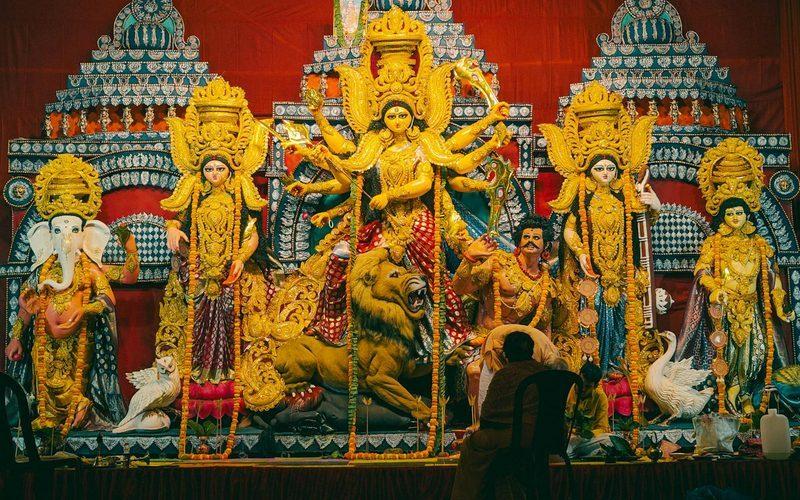
Durga Puja is not merely a spectacle; it is a deeply spiritual event with precise ritualistic requirements. The Kalparambha on Maha Shashthi marks the formal invocation of the goddess into the idol. Priests perform Bodhan (awakening) rites, which are unique because they occur at an unconventional time—during the night—a deviation from standard Hindu practice, justified by the mythological necessity of Durga's annual visit to her maternal home.
On Maha Saptami, the Nabapatrika ritual involves bathing nine plants—including banana, turmeric, and pomegranate—tied together and draped in a white sari with red border. This bundle, called Kola Bou (banana bride), is considered the wife of Lord Ganesha and is placed beside the goddess. Each plant represents a different form of the goddess, connecting the ritual to agricultural fertility and nature worship.
Maha Ashtami is the spiritual apex. Devotees observe fasts and offer Anjali (prayer with flower offerings) in groups. The Sandhi Puja, performed precisely at the juncture of Ashtami and Navami, involves offering 108 lamps and 108 lotus flowers. This period, lasting exactly 48 minutes (1:21 PM to 2:09 PM in 2025), is considered the most powerful moment of the entire festival, commemorating the moment when Durga killed the demons Chanda and Munda.
On Vijayadashami, the rituals shift from celebration to farewell. Married women perform Sindoor Khela, applying vermillion to each other and the goddess's feet, symbolising marital bliss and the cyclical nature of life. The Durga Visarjan procession carries the idol to a river or water body for immersion, accompanied by drumming, dancing, and chants of "Asche bochor abar hobe!" (It will happen again next year!).
Regional Traditions Across Eastern India
While West Bengal remains the epicentre, Durga Puja 2025 will be celebrated with distinct regional flavours across Eastern India.
- Kolkata, West Bengal: The city transforms into a living art gallery. Pandal-hopping is the primary activity, with themes ranging from traditional terracotta to avant-garde installations. The Kumartuli neighbourhood, home to idol-makers, becomes a pilgrimage site in the weeks before the festival.
- Mumbai and Delhi: Large Bengali diaspora communities organise pujas in public grounds. The Mumbai Durga Puja at Lokhandwala Complex and the Delhi Durga Puja at CR Park are among the largest outside Bengal, drawing tens of thousands of visitors.
- Odisha: The festival overlaps with Sharad Navratri, but with unique local rituals. In Cuttack, silver and gold filigree work adorns the idols, a tradition dating back to the 19th century.
- Assam: Durga Puja is celebrated with equal fervour, especially in Guwahati. The Kamakhya Temple region sees special offerings, blending Tantric traditions with the mainstream narrative.
- Bangladesh: As a minority Hindu festival, Durga Puja is celebrated with both devotion and caution. The Dhakeshwari Temple in Dhaka remains the focal point, with elaborate pandals and cultural programmes.
Internationally, cities with significant Bengali communities—London, New York, Sydney, Dubai, and Singapore—host major celebrations. The London Durga Puja at Brent Town Hall is one of the largest in Europe, featuring authentic rituals alongside fusion cultural events.
Modern Observance: Pandal Culture, Cuisine, and Commerce
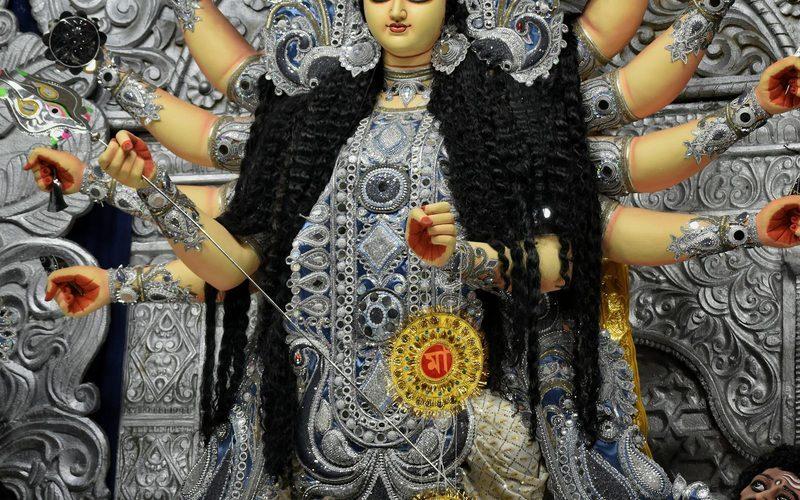
The 2025 Durga Puja will showcase the festival's modern evolution. Pandal culture has become a competitive art form, with committees spending millions of rupees on themes that address social issues, environmental concerns, or celebrate historical milestones. In 2025, expect pandals themed around climate change, women's empowerment, and the 75th anniversary of India's Republic.
Food is integral to the experience. Street-side stalls offer Bengali delicacies: phuchka (pani puri), kathi rolls, momos, and chomchom. Community feasts (bhog) on Ashtami and Navami serve traditional meals of khichuri, labra (mixed vegetables), and payesh (rice pudding).
Economically, Durga Puja is a multi-billion-dollar industry. In 2025, the Kolkata pujas alone are expected to generate over ₹50,000 crore in economic activity, supporting artisans, transport, hospitality, and retail sectors. The festival also drives significant travel, with domestic tourists booking flights and trains months in advance. For travel planning, check resources like our festival calendar hub for exact dates and travel tips.
Frequently Asked Questions About Durga Puja 2025
When exactly does Durga Puja 2025 start and end?
The main festival runs from September 28 to October 2, 2025. However, the celebration period begins earlier with Mahalaya on September 21, which marks the start of the nine-day Devi Paksha. The five primary festival days are September 28 (Shashthi) through October 2 (Vijayadashami).
What is Mahalaya and why is it important?
Mahalaya Amavasya (September 21, 2025) is the new moon day that marks the beginning of Devi Paksha. It is believed that on this day, Goddess Durga begins her journey from Mount Kailash to her maternal home on Earth. Devotees offer tarpan (water offerings) to their ancestors, and early morning radio broadcasts of Mahishasura Mardini (a devotional hymn) have been a beloved tradition since the 1930s.
Which day is most significant during Durga Puja 2025?
Maha Ashtami (September 30, 2025) is considered the most spiritually powerful day. It features the Sandhi Puja from 1:21 PM to 2:09 PM, a 48-minute period marking the transition from Ashtami to Navami. Vijayadashami (October 2, 2025) is also highly significant as the day of idol immersion and Sindoor Khela.
What happens on Vijayadashami?
On Vijayadashami (October 2, 2025), the festival concludes with Durga Visarjan (idol immersion) in rivers or water bodies. Married women perform Sindoor Khela, applying vermillion to each other and the goddess's feet. The day symbolises the goddess's return to her husband Shiva, and devotees exchange greetings of victory over evil.
How long is the complete Durga Puja celebration?
The complete celebration spans twelve days from Mahalaya (September 21) to Vijayadashami (October 2). However, the five primary festival days (September 28–October 2) are when most public activities, pandal visits, and major rituals occur.
Is Durga Puja the same as Navratri?
No, they are related but distinct. Navratri (September 22–October 1, 2025) is a broader nine-night Hindu festival honouring various forms of the goddess, celebrated across India with fasting, garba dancing, and temple visits. Durga Puja is the specific Bengali regional observance that overlaps with Navratri's final four days. While Navratri focuses on all nine goddess forms, Durga Puja centres on Goddess Durga's single narrative of defeating Mahishasura.
What are the key rituals of Durga Puja?
Key rituals include Kalparambha (beginning rites on Shashthi), Bodhan (awakening of the goddess), Nabapatrika (bathing of nine plants on Saptami), Sandhi Puja (critical juncture puja on Ashtami), and Durga Visarjan (immersion on Vijayadashami). Each ritual has specific timings and offerings prescribed by Hindu scriptures.
Where is the best place to experience Durga Puja 2025?
Kolkata, West Bengal offers the most immersive experience, with thousands of themed pandals, cultural performances, and street food. Other major cities with vibrant celebrations include Mumbai (Lokhandwala), Delhi (CR Park), Guwahati, Cuttack, and Dhaka (Bangladesh). International celebrations in London, New York, and Dubai are also significant.
What is the economic impact of Durga Puja?
Durga Puja is a major economic driver. In 2025, Kolkata's pujas alone are expected to generate over ₹50,000 crore in economic activity. The festival supports artisans, idol-makers (kumors), pandal designers, caterers, transport operators, and retail businesses. It also boosts tourism significantly, with domestic and international travellers flocking to Eastern India.
Are there any environmental concerns with Durga Puja?
Yes, idol immersion in rivers causes water pollution due to plaster of Paris, paints, and chemical decorations. In response, many committees now use eco-friendly idols made from clay, natural colours, and biodegradable materials. Kolkata has introduced artificial immersion ponds and strict regulations. For more on responsible celebration practices, see our responsible gambling page, which also covers mindful consumption during festivals.
For those planning to attend or participate in Durga Puja 2025, staying informed about exact timings, local customs, and travel arrangements is crucial. The festival offers a unique window into Bengali culture, spirituality, and artistic expression, making it a must-experience event for anyone interested in India's diverse heritage. Check our reviews section for traveller experiences and pandal recommendations.